

Instrument Rating
Instrument Rating
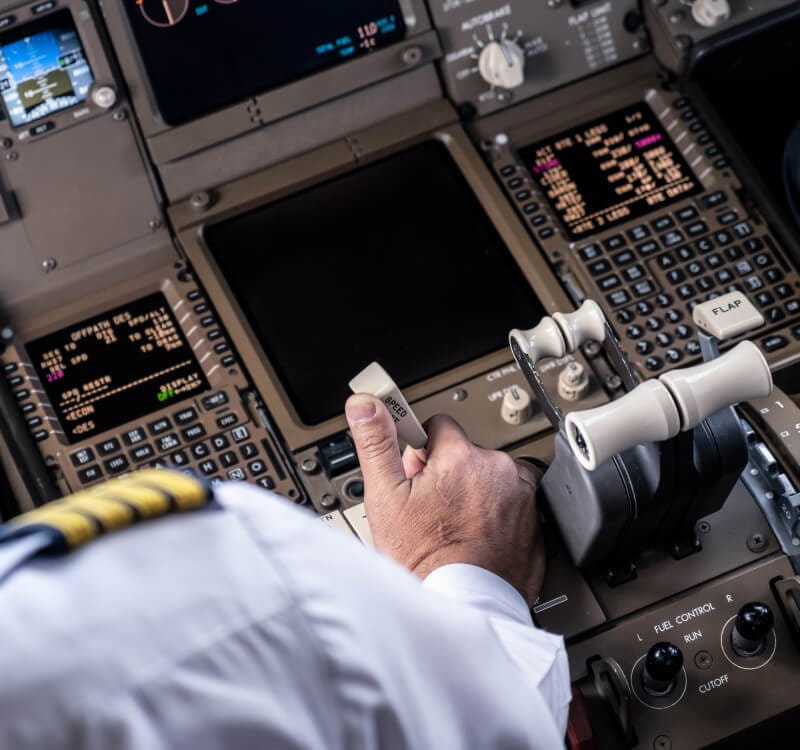
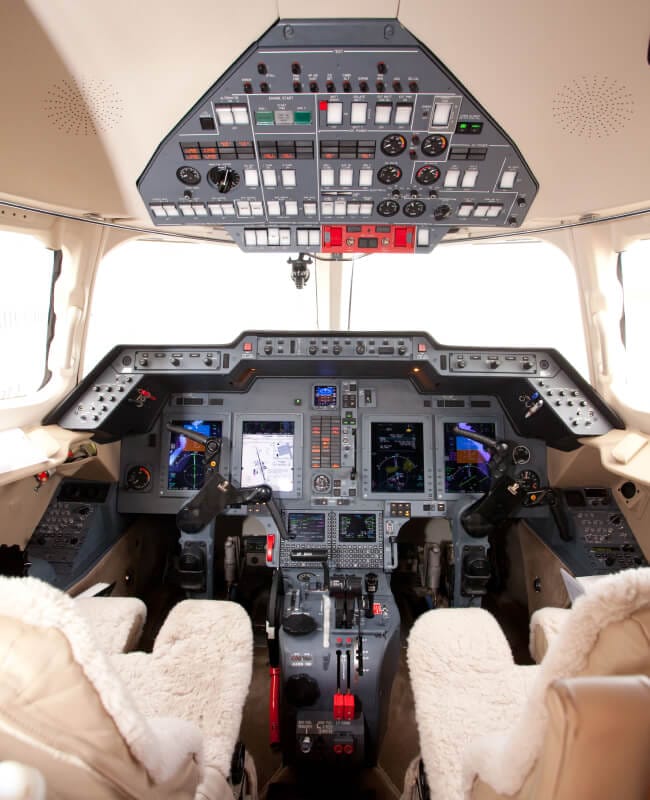
An Instrument Rating (IR) is a qualification obtained through comprehensive training focused on flying using only aircraft instruments. It is one of the most valuable additions to your pilot license. A skilled instrument pilot can navigate an airplane from point A to point B without looking out the window, except during takeoff and landing.
This rating is essential for pilots wishing to operate under Instrument Flight Rules (IFR). It enables pilots to legally and safely fly a properly equipped aircraft solely by reference to flight instruments. The training includes both ground and flight instruction as outlined by the civil aviation authority. To earn the Instrument Rating, candidates must also pass a knowledge test and an Instrument Rating flight test.
Why should you get an instrument rating?
An instrument rating undeniably enhances a pilot’s skills. Instrument flight training deepens understanding of concepts from private pilot training while introducing instrument-specific knowledge. Furthermore, with an instrument rating, pilots are no longer limited to flying only in clear weather. They can file IFR flight plans, allowing them to fly through clouds and navigate challenging airspace more easily.
Flight Proficiency
- Pre-flight preparation.
- Pre-flight procedures.
- Air traffic control clearances and procedures.
- Flight by reference to instruments.
- Navigation systems.
- Instrument approach procedures.
- Emergency operations.
- Post-flight procedures.
Program overview




Program Overview
Stage 1: Ground Classes in India (2-3 months)
- 10TH And 12TH Board Verification
- Police Verification
- Class 2 Medical from DGCA Approved Medical Examiner
- Computer Number from DGCA Exam Portal “Pariksha”
- Profile Creation on Egca (e-Governance of Civil Aviation)
- Class 1 Medical at IAF Medical Centre/ DGCA Approved Civil hospital
- VISA Formalities
- DGCA written Exam in Air Navigation, Meteorology and Air Regulations
Stage 2: Flying Training ABROAD (12-15 months)
- Flying training in US, SPAIN, AUSTRALIA, NEW ZEALAND, PHILIPPINES & SOUTH AFRICA
- Issue of FOREIGN CPL, Radio Licence and ELP Certificate level 4
Stage 3: Flying Test and Licence Conversion (1-2 months)
- Flight Tests in India in DGCA Approved Flying Training Institute
- Compilation of documents, paperwork and submission to DGCA
- Issue of Indian CPL by DGCA
Frequently Asked Questions
What is an Instrument Rating (IR)?
An IR allows pilots to fly under instrument flight rules (IFR), enabling them to operate in a wider range of weather conditions.
What are the eligibility requirements for obtaining an IR?
You must hold a Private Pilot License (PPL) or Commercial Pilot License (CPL) and have a Class II Medical certificate.
How many flight hours are required for an Instrument Rating?
Generally, a minimum of 40 hours of instrument flight training is required, along with specific cross-country flight time.
What subjects are covered in IR training?
Training includes topics such as navigation, flight planning, instrument procedures, and weather interpretation.
Can I use a simulator for my Instrument Rating training?
Yes, up to 20 hours of instrument training can be conducted in an approved simulator.